Is Ceramic Reinforcement right for you?

Every tooth is different
Ceramic reinforcement isn't automatically the right treatment for every large filling or damaged tooth, but making a tooth stronger or more resistant against fracture provides, in most cases the best long-term survival.
We first assess your tooth clinically and determine:
- How much healthy tooth structure remains
- The size and position of the existing restoration
- Whether there are cracks
- Whether any cusps are weakened
- Your bite and chewing forces
- The condition of the tooth underneath the existing restoration
- Whether the tooth is suitable for an adhesive ceramic restoration
- Whether a filling, ceramic reinforcement or full crown would provide the most appropriate solution.
You may be a candidate if you have: a large old silver filling
Large amalgam restorations can occupy a substantial portion of a tooth. In selected cases, replacing the restoration with a ceramic restoration may provide a more protective solution.
A chipped tooth
A chipped cusp can sometimes be restored with a conservative ceramic restoration rather than immediately removing more tooth structure for a full crown.
A large composite filling
When a restoration becomes very large, simply replacing it with another filling may not always be the best long-term approach.
A weakened or cracked tooth
A crack needs careful assessment. Some cracks can be managed restoratively, while others may require more extensive treatment. The location and extent of the crack are important.
A tooth that has been repeatedly repaired
If the same tooth keeps breaking or losing pieces of filling, it may be time to consider whether simply repairing it again is the best option.

Featured
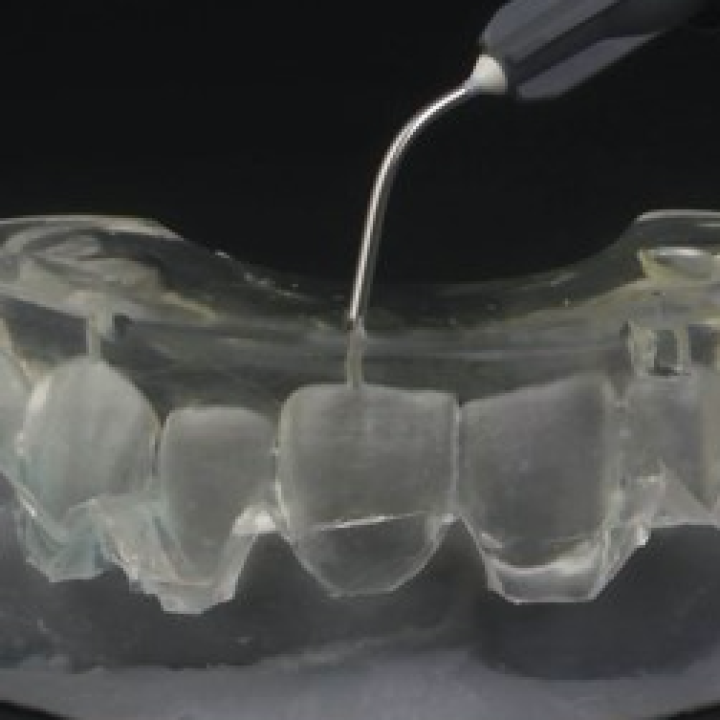
Resin Injection Moulding
The Resin Injection Technique (RiT) is the latest procedure to take...
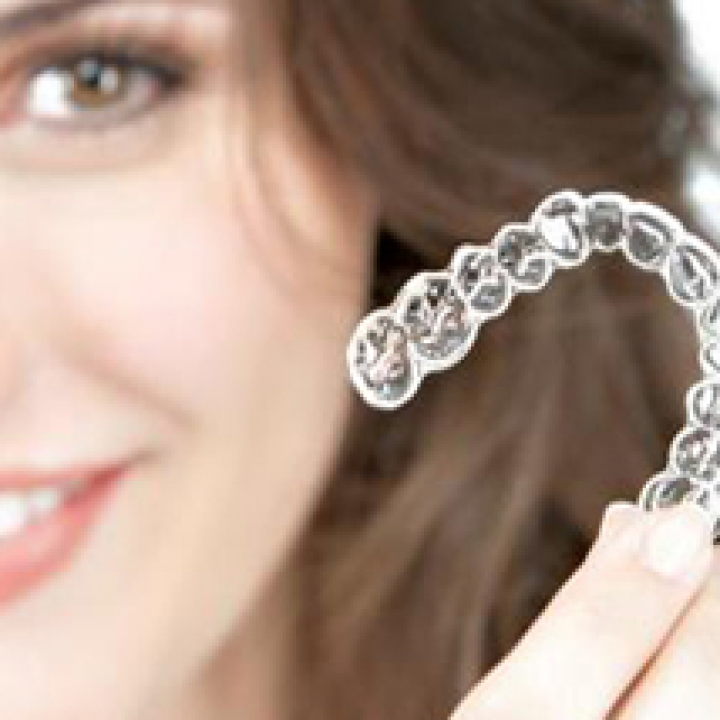
Clear Aligners - No Wires!
No Wires. No Metal Braces. Just a Beautiful Smile.Orthodontics is the...
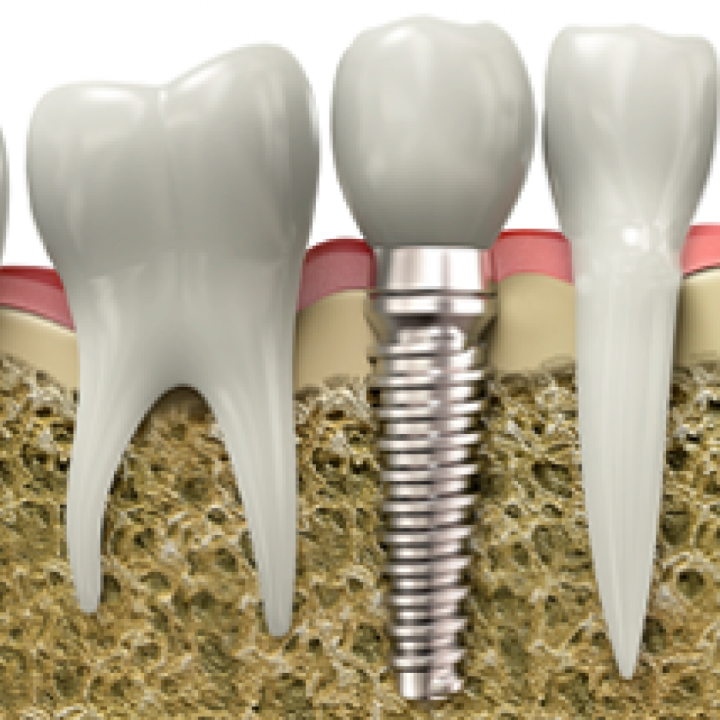
Dental Implants - Save Your Smile!
Gone are the days of missing teeth! Don't be happy with removable...
Related

Is your tooth strong enough to last?
The problem with large fillingsA tooth can look perfectly fine while...

Filling, Ceramic Reinforcement or Crown
What's the difference?There isn't one restoration that is best for...

What is Ceramic Reinforcement?
nA modern, conservative way to restore weakened teeth — often in...

