Is Ceramic Reinforcement right for you?

Every tooth is different
Ceramic reinforcement isn't automatically the first-choice treatment for every large filling or damaged tooth.
However, strengthening a tooth or making it more resistant to fracture often provides the best long-term survival. Ceramic also provides a more beautiful esthetic result that will last for many years to come.
We first assess your tooth clinically and determine:
- How much healthy tooth structure remains
- The size and position of the existing restoration
- Whether there are cracks
- Whether any cusps are weakened
- Your bite and chewing forces
- The condition of the tooth underneath the existing restoration
- Whether the tooth is suitable for an adhesive ceramic restoration
- Whether a filling, ceramic reinforcement or full crown would provide the most appropriate solution.
You may be a candidate if you have: large old silver fillings
Large amalgam restorations can occupy a substantial portion of a tooth. In many cases, the teeth develop cracks and become discoloured due to temperature fluctuations and metal ions 'leaking out into the tooth. Replacing the restoration with ceramic provides a more long-term protective solution and aesthetic result.

A chipped tooth
A chipped cusp can sometimes be restored with a conservative ceramic restoration rather than immediately removing more tooth structure for a full crown.
A large composite filling
When a restoration becomes very large (more than 50% of the tooth crown structure), simply replacing it with another bigger filling is not a long-term approach. Large composite or oversized white fillings cannot withstand the extreme forces the tooth is under, especially on back molars. These teeth often crack and can lead to vertical fracture and tooth loss.
A weakened or cracked tooth
A crack needs careful assessment. Some cracks can be managed restoratively, while others may require more extensive treatment. The location and extent of the crack are important. The dentist must aim to completely remove the crack with a bur to prevent further spreading into the deeper layers of the tooth. This means more tooth structure must be removed to provide a strong solid base for the ceramic to be placed and bond to.
A tooth that has been repeatedly repaired
If the same tooth keeps breaking or losing pieces of filling, it may be time to consider reinforcing it with a ceramic inlay, onlay or full crown.

Featured
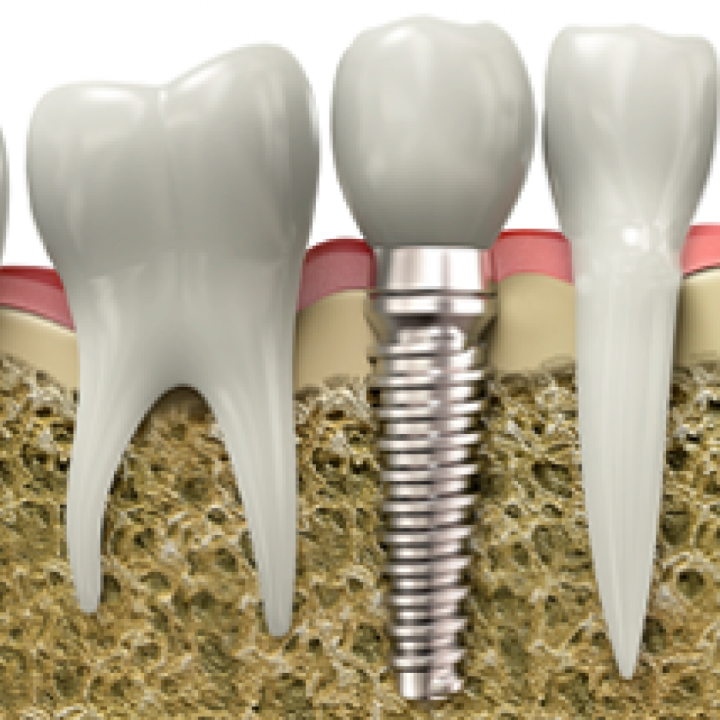
Dental Implants - Save Your Smile!
Gone are the days of missing teeth! Don't be happy with removable...

The 1 Visit Cerec Method
The new CEREC 3D SYSTEM can manufacture porcelain white...

Smile Analysis- Identify problem areas
Kindly check your smile in a close-up mirror. With our unique...
Related

Is your tooth strong enough to last?
The problem with large fillingsA tooth can look perfectly fine while...

What is Ceramic Reinforcement?
nA modern, conservative way to restore weakened teeth — often in...

Filling, Ceramic Reinforcement or Crown
What's the difference?There isn't one restoration that is best for...

