Is your tooth strong enough to last?

The problem with large fillings
A tooth can look perfectly fine while having lost a significant amount of its original structure. Over the years, teeth may have been restored with increasingly large fillings. An old amalgam filling may have occupied a substantial portion of the tooth, or a large composite restoration may have replaced a significant amount of missing tooth structure.
The remaining tooth may still function well — until one day a piece chips, a crack develops or part of the tooth fractures. Depending on the extent and orientation of the fracture line, the tooth may still be OK to restore or in many cases, needs to be removed. When the fracture line runs deeper than 2-3 mm below gum level, often this will be unrestorable.
The important question is not simply: "Can we fill this tooth?", but rather ...
"How can we restore this tooth while protecting the healthy tooth structure that remains?"
When a tooth is assessed before a major fracture occurs, there may be an opportunity to reinforce it with an indirect ceramic restoration rather than simply repairing the defect with another filling.

Common warning signs include:
- A very large old amalgam filling
- A large composite restoration
- A chipped cusp
- A cracked or fractured filling
- A tooth that has been repaired several times
- A large MOD restoration
- A weakened tooth with limited remaining structure
- Food repeatedly packing around a restoration
- A tooth where your dentist has already mentioned the possibility of a crown

Featured
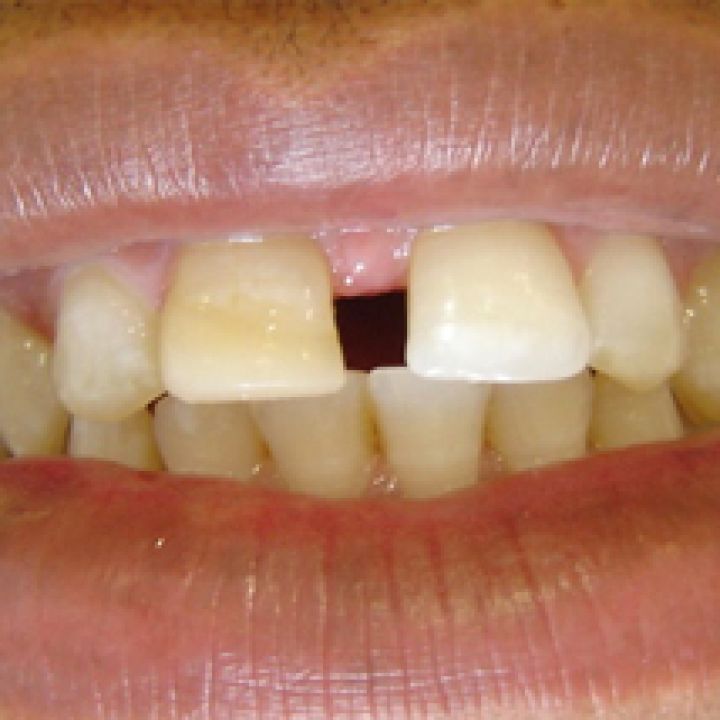
Closing Gaps with Composite
Another useful application is the closure of gaps (diastemas) between...

Smile Analysis- Identify problem areas
Kindly check your smile in a close-up mirror. With our unique...
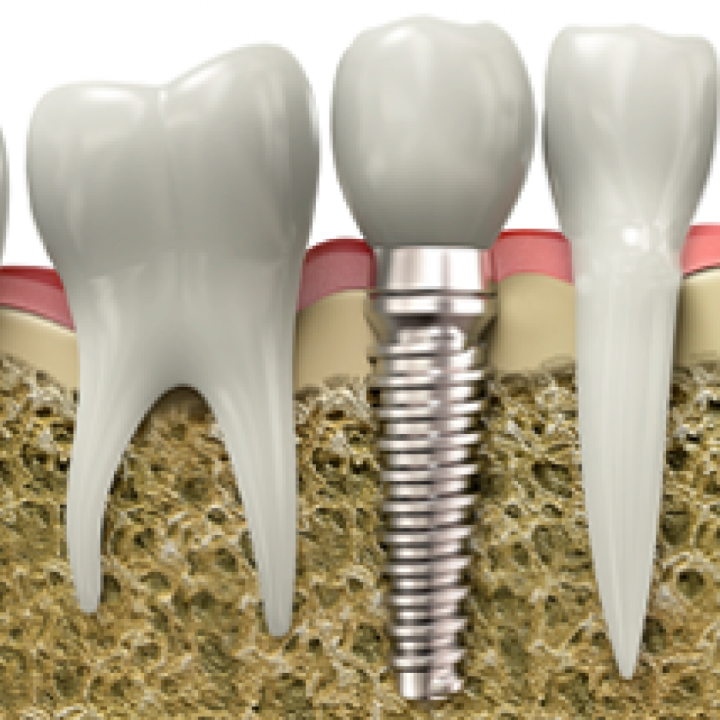
Dental Implants - Save Your Smile!
Gone are the days of missing teeth! Don't be happy with removable...
Related

What is Ceramic Reinforcement?
nA modern, conservative way to restore weakened teeth — often in...

Filling, Ceramic Reinforcement or Crown
What's the difference?There isn't one restoration that is best for...

Is Ceramic Reinforcement right for you?
Every tooth is differentCeramic reinforcement isn't automatically...

